

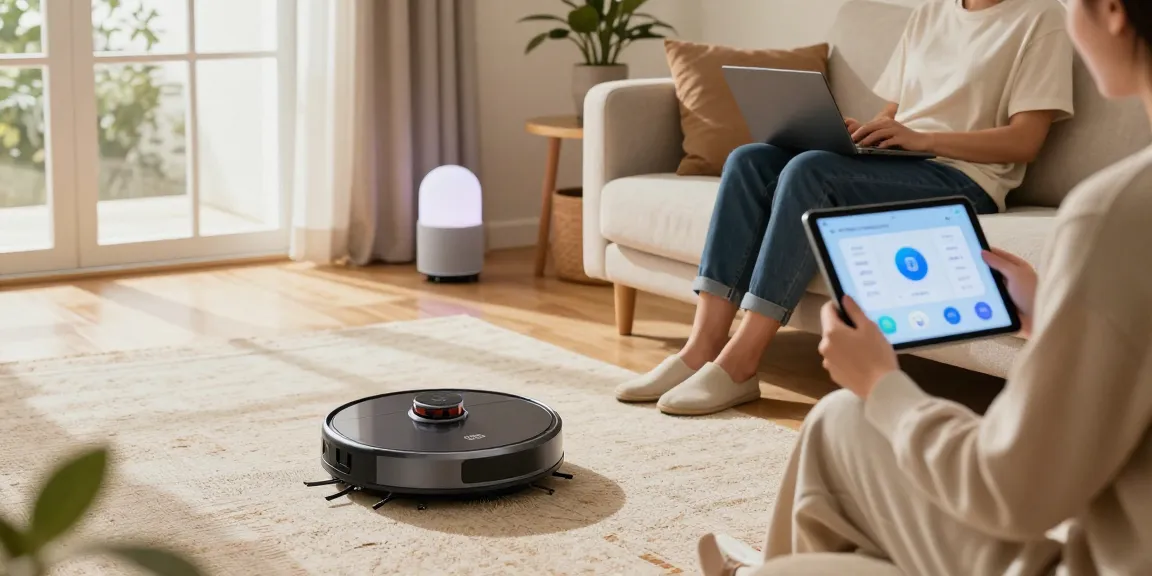
Understanding the Evolution of Robot Vacuum Technology in 2026
The landscape of robot vacuum technology has evolved significantly over the past few years, culminating in impressive innovations in 2026. Consumers now have access to smart, efficient, and user-friendly devices designed to enhance the cleanliness of their homes while minimizing the time and effort required for maintaining a tidy space. When exploring options, robot vacuum 2026 offers a range of advanced features that cater to the diverse needs of households across various lifestyles.
Key Innovations in Robot Vacuums
One of the standout advancements in robot vacuums has been the integration of Artificial Intelligence (AI), which enables these devices to learn and adapt to their environment. AI-enhanced models are able to create detailed maps of homes, allowing for efficient navigation and tailored cleaning paths. Smart sensors have also improved, facilitating better obstacle detection and avoidance, which is particularly beneficial in homes with pets or children. Moreover, many robot vacuums now feature advanced filtration systems, which capture even the smallest dust particles and allergens, promoting healthier indoor air quality.
Comparison of Leading Brands in 2026
As we compare leading brands within the robot vacuum market, it becomes apparent that each manufacturer has carved out its niche. For instance, iRobot continues to lead with its Roomba line, renowned for its reliability and robust navigation capabilities. On the other hand, Ecovacs has made a name for itself by combining vacuuming and mopping functionalities in its Deebot series, appealing to users seeking a comprehensive cleaning solution. Dreame, a brand gaining popularity, offers budget-friendly options without compromising performance, making it a favorite among cost-conscious consumers.
Smart Features and Connectivity Options
Smart connectivity options have become a crucial component in robot vacuums, with many models now supporting Wi-Fi connectivity and integration with smart home ecosystems like Amazon Alexa and Google Assistant. This allows users to control their vacuums remotely through smartphone apps, set cleaning schedules, and receive alerts directly on their devices. Enhanced user interfaces and touchscreen controls have further simplified the user experience, making it easier to customize cleaning preferences.
How to Choose the Right Robot Vacuum for Your Home
Choosing the right robot vacuum can be overwhelming given the variety of options available. Factors such as your home layout, floor types, and specific cleaning needs play a significant role in determining the ideal model. Additionally, innovations in design and performance mean that potential buyers should consider various features that align with their lifestyle.
Considerations for Different Floor Types
Different models cater to various flooring types, including hardwood, carpet, and tile. For homes with carpets, vacuums equipped with powerful suction and brush-roll technologies, such as the models from Roborock, are more effective in deep cleaning. In contrast, if your home primarily features hardwood floors, a robot vacuum with a soft roller brush, like the Ecovacs series, ensures gentle yet thorough cleaning. Assessing the compatibility of the vacuum’s features with your specific flooring can optimize cleaning performance.
Evaluating Battery Life and Charging Systems
Battery life is another critical consideration when selecting a robot vacuum. Most models run for approximately 60 to 120 minutes on a single charge. However, the efficiency with which a vacuum cleans and its ability to return to the docking station for recharging can significantly impact overall usability. Select models that feature auto-recharge capabilities to ensure continuous cleaning sessions without user intervention.
Popular Models: Recommendations for 2026
- iRobot Roomba s9+: Known for its powerful suction and efficient cleaning patterns, ideal for pet owners.
- Ecovacs Deebot T10: A versatile model that combines vacuuming and mopping, perfect for homes with mixed flooring.
- Dreame D9: A cost-effective option offering robust performance for budget-conscious consumers.
Common Challenges with Robot Vacuums and Solutions
While robot vacuums are designed to simplify cleaning tasks, users may still encounter challenges that require effective solutions. Understanding these hurdles and how to navigate them is essential for maximizing the benefits of these devices.
Obstacle Navigation and Avoidance
Despite significant advancements, some robot vacuums struggle with navigating complex environments, leading to potential interruptions during cleaning cycles. To mitigate this, consider models with advanced mapping technology that can analyze surroundings before commencing cleaning. Additionally, maintaining a clutter-free space can enhance navigation efficiency.
Dealing with Pet Hair and Allergens
Pet owners often find that while robot vacuums can handle basic dirt and debris, pet hair requires specialized features for effective removal. Models equipped with tangle-free pet hair brushes and enhanced suction capabilities are better suited for households with furry friends. Regular maintenance, such as cleaning brushes and filters, will also ensure optimal performance against allergens and pet dander.
Maintenance Tips for Longevity
To ensure your robot vacuum remains in excellent working condition, routine maintenance is key. Regularly emptying the dustbin, cleaning the filters, and inspecting brushes for tangled hair will prolong the life of your vacuum. Furthermore, keeping the charging dock free from obstructions ensures that your vacuum can recharge without interruption.
Real-World Applications: How Users Benefit from Robot Vacuums
The real-world impact of robot vacuums extends beyond mere convenience; they can significantly improve household management and cleanliness. Understanding the tangible benefits can help prospective buyers see the value in investing in these automated cleaning devices.
Time-Saving Advantages for Busy Households
Robot vacuums are particularly advantageous for busy households, effectively freeing up time for other activities. With smart scheduling features, homeowners can set their vacuums to clean while they are at work or attending to family obligations. This allows for a more efficient use of time without sacrificing cleanliness.
Enhancing Home Cleanliness and Air Quality
Regular use of robot vacuums can lead to enhanced home cleanliness, reducing dust and allergens that can affect air quality. Models with advanced filtration systems capture a higher percentage of particulate matter, making indoor environments healthier for residents. This is especially beneficial for allergy sufferers or those with respiratory issues.
User Experiences and Testimonials
User testimonials reflect the satisfaction and practicality that come with using robot vacuums. Many report a marked decrease in daily cleaning tasks, noting how robot vacuums have transformed their living conditions. These firsthand accounts underscore the reliability and efficiency of top-rated models, establishing trust within the consumer base.
The Future of Robot Vacuums Beyond 2026
As the robot vacuum market continues to grow, future innovations are expected to further enhance these devices. Emerging technologies promise to integrate deeper AI capabilities, improved connectivity options, and a stronger focus on environmental sustainability.
Predictions for Upcoming Technologies
Future robot vacuums may adopt advanced AI that not only learns cleaning preferences but also adapts to changes in household dynamics, such as new pets or furniture arrangements. Expect models that can automatically select the optimal cleaning mode based on environmental analysis, offering a truly customized clean.
Integration with AI and Smart Home Ecosystems
The integration of robot vacuums with broader smart home ecosystems is likely to evolve. Enhancements may allow vacuums to work in tandem with other smart devices, such as air purifiers and HVAC systems, to create a holistic approach to home cleanliness and comfort.
Environmental Sustainability Trends in Robotics
Sustainability is an increasing trend in robotics, with manufacturers looking to create more eco-friendly products. Future models may use recycled materials, feature energy-efficient designs, and integrate solar charging options to minimize their carbon footprint.
What are the top robot vacuum models in 2026?
Some of the top robot vacuum models identified this year include the iRobot Roomba Combo j7+ and the Roborock S7 MaxV, both praised for their innovative features and robust cleaning capabilities.
How do robot vacuums handle pet hair?
Robot vacuums utilize specialized brushes and high suction power to effectively capture pet hair while preventing tangles. Models like the iRobot Roomba j7+ excel in homes with pets due to their optimized suction systems.
What factors should I consider when buying a robot vacuum?
When purchasing a robot vacuum, consider factors such as your home’s size, floor types, pet ownership, and the presence of obstacles. The features of the vacuum in terms of mapping technology, battery life, and smart connectivity should also guide your decision.
Are there smart features that enhance robot vacuum functionality?
Many contemporary robot vacuums come equipped with smart features, including scheduling via smartphone apps, voice control compatibility with smart assistants, and the ability to set virtual boundaries within the home for targeted cleaning.
How often should I maintain my robot vacuum?
It is advisable to perform maintenance on your robot vacuum weekly, which includes emptying the dust bin, cleaning brushes, and replacing filters as necessary to maintain optimal performance.